In short. AI agents search, compare and book on the guest’s behalf. When a machine answers with two or three names, the venues inside that answer take the guest; the ones outside aren’t even considered. The sources agents will rely on — profile, reviews, machine-readable data, direct channel — are the same ones that bring guests today. They just need to be treated as if the future depended on them. This sits inside the wider restaurant marketing in Italy system.
What AI agents are, in plain words
A chatbot answers; an agent acts. Ask ChatGPT or Gemini “find me a quiet restaurant for four near the Pantheon on Friday” and the next generation of assistants won’t reply with a list to research — they’ll check options, compare reviews and availability, and come back with a shortlist. The step after that, already being rolled out in pieces: completing the booking for you.
The third wave: from word of mouth to agents
How guests choose a restaurant in Italy has changed twice already. First, word of mouth: the concierge, the friend, the guidebook. Then, the screen: Google, Tripadvisor, Instagram — twenty years of “being findable”. The third wave is the agent: guests delegating the search itself. For international brands operating or opening in Italy this matters twice over — your future guests (travellers above all) are exactly the early adopters asking their phones where to eat.
Inside the answer wins the guest
Search engines return pages of results; agents return two or three names. That compression is brutal for visibility: there is no “page two” of an AI answer. A venue inside the shortlist gets the booking; a venue outside doesn’t lose the comparison — it never enters it. The earlier a venue builds the signals agents read, the harder it becomes to displace: answers, like reputations, accumulate.
What agents will base their choices on
Agents don’t invent knowledge; they synthesise sources that already exist:
- Google Business Profile — complete, in Italian and English, with real photos and accurate hours;
- Reviews — fresh, on Google, Tripadvisor and TheFork, with responses that show a venue is alive;
- A fast site with machine-readable data — structured data (schema.org), clear pages, menus as text rather than PDF scans;
- A visible direct booking path — so the agent (and the guest) can complete the action without friction.
The risk: intermediation 2.0
Restaurants in Italy already know what it means when a platform sits between them and the guest: commissions, conditions, and someone else owning the relationship. Agents could repeat that story at a new level — if the machine books through a marketplace, the marketplace’s terms apply. The defence isn’t refusing platforms; it’s making sure the direct channel is strong enough that agents (and guests) can choose it.
Direct bookings become more valuable
Every trend in the agent era raises the value of what you own: your site, your booking flow, your guest data, your first-party relationship. A booking that arrives direct keeps margin and contact details in the house — which is exactly the asset that lets you talk to guests again without paying rent for the introduction. This has been our position all along in AI for restaurants in Italy: AI amplifies a strategy, it doesn’t replace one.
What to do today, without waiting
AI-readiness is not a separate project; it’s the same work that fills tables now, done to a higher standard:
- Complete and localise the Google Business Profile (Italian first, English for travellers);
- Build a steady review flow and answer them — the fresh ones weigh most;
- Add structured data and make the site fast and readable by machines;
- Make direct booking one tap away, with WhatsApp presidiato (staffed and answered) for Italy;
- Measure where bookings come from, so you see the agent era arriving in your own numbers.
For a brand entering the market, this belongs in the launch plan itself — see entering the Italian market: being early in a market also means being early in the answers about it.
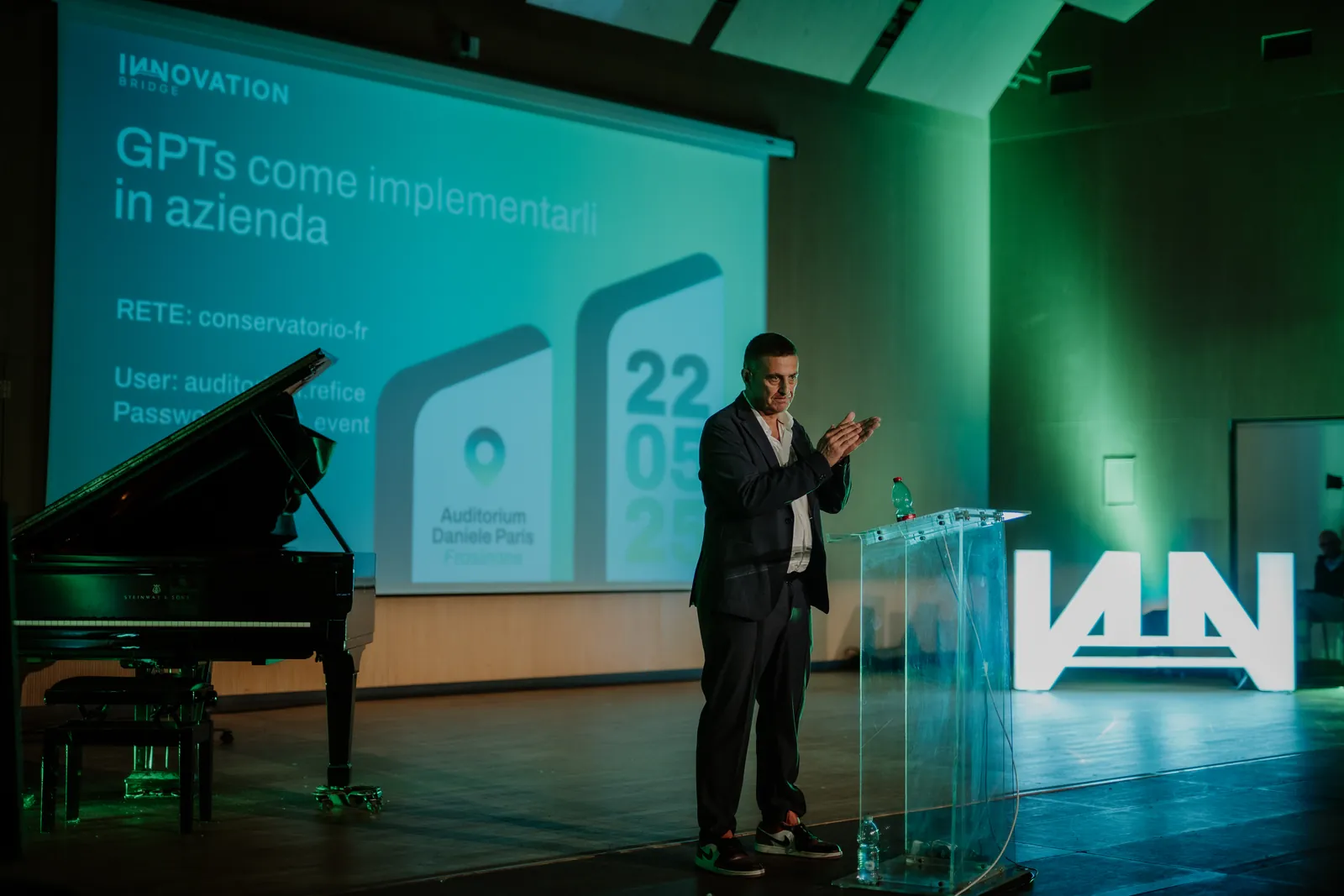
Our promise. Caro Collega pairs hands-on hospitality experience with AI: Giancarlo De Leonardo is a former restaurateur and hotelier, and President of the Innovation Bridge Foundation, dedicated to technological innovation and AI. This site itself is built to be read by AI agents — and we bring the same standard to our clients’ venues.
What we don’t know yet
Honesty matters here: nobody knows which agents will win, how they’ll rank venues, or what a “sponsored answer” will look like. What we do know is the direction — guests delegating more of the search — and the sources agents read. Preparing those costs little and pays off today regardless of how the agent race ends.
In short
AI agents will compress discovery into two or three names and act on the guest’s behalf. The venues that get proposed will be the ones machines can read and trust: complete profile, living reviews, structured data, direct booking. Start now — the same work fills tables this weekend and positions you for the third wave. The full map is in our restaurant marketing in Italy guide and the AI marketing stack.