In short. The AI marketing stack for hospitality is a set of layers — discovery, content, ads, conversations, reviews and data — each with practical AI tools and a human in charge of strategy and taste. For the venue-specific view, see AI for restaurants and AI for hotels. It all sits inside the wider restaurant marketing in Italy system.
What an ‘AI marketing stack’ means
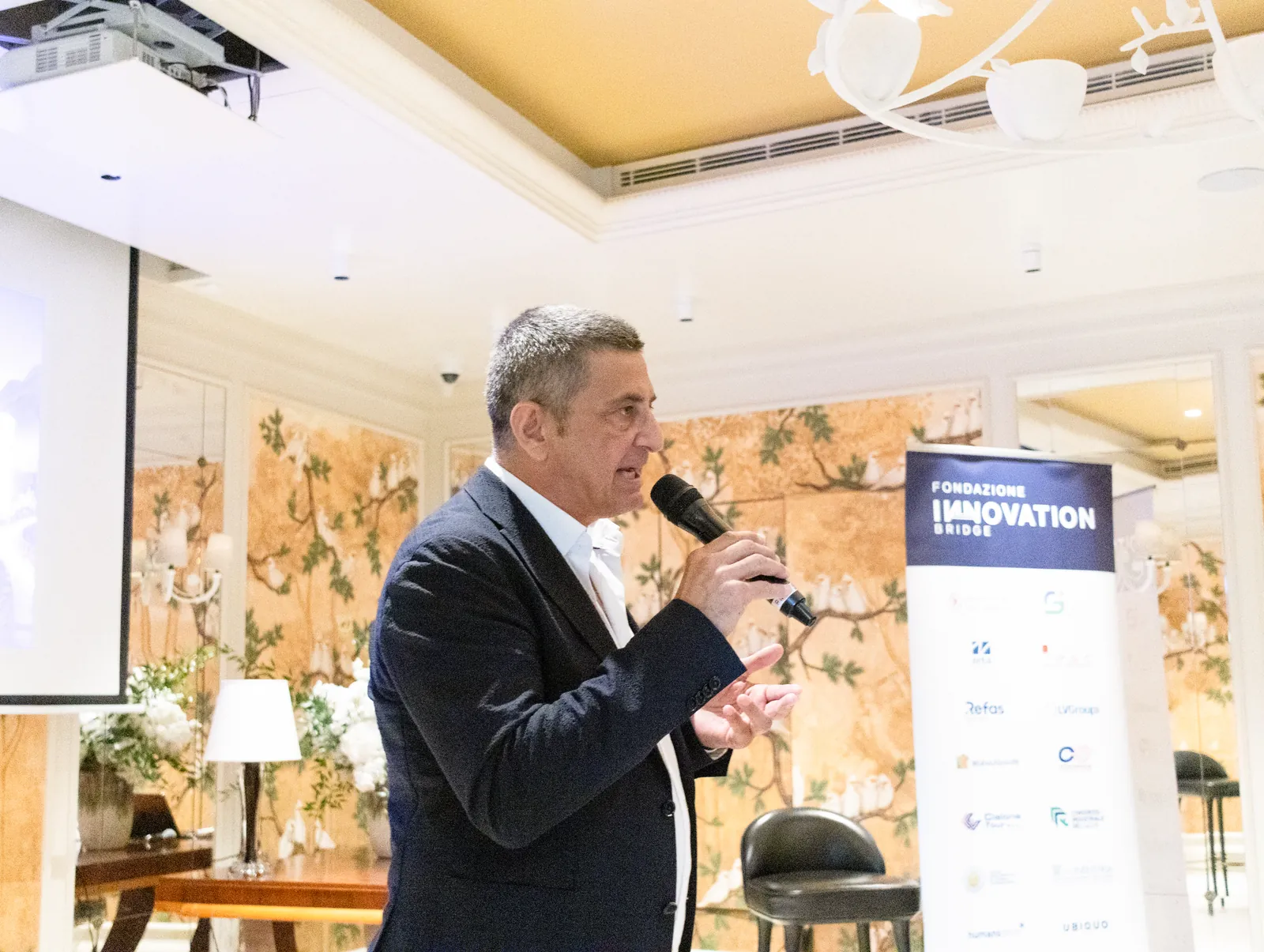
Think of it as layers, not a single app: each part of your marketing has an AI assist, and together they compound. The skill is choosing the right tools per layer and keeping humans on the decisions. It’s the approach Caro Collega brings from the Innovation Bridge Foundation, which Giancarlo leads.
Layer 1: discovery & SEO
AI scales local and organic visibility — content, structured data, optimisation — so you’re found when Italians search. The fundamentals are in our guide to local SEO in Italy.
Layer 2: content & creative
AI drafts and produces content and visuals at volume — in Italian, and in other languages for international guests — that a human refines for voice and brand. It pairs naturally with creator content.
Layer 3: ads & performance
AI generates and tests ad creative, finds patterns and supports bidding, making Google and social ads more efficient — while humans own budget and strategy.
Layer 4: guest conversations
AI chat, WhatsApp and email assistants answer guests instantly and capture booking intent around the clock — especially powerful for hotels chasing direct bookings.
Layer 5: reviews & reputation
AI analyses review themes across Google, TheFork and Tripadvisor and drafts fast, on-brand replies you approve — protecting the reputation that drives both ranking and choice.
Layer 6: data & decisions
AI turns booking and demand data into forecasts and recommendations — staffing, offers, pricing — so decisions are informed, not guessed.
Adopting it without losing the human touch
Start with one or two layers that save the most time (content and reviews are common first wins), keep a human approving everything guest-facing, and expand as it proves out. AI for scale; people for hospitality and judgment.
Our promise. Caro Collega pairs hands-on hospitality experience with AI: Giancarlo De Leonardo is a former restaurateur and President of the Innovation Bridge Foundation, dedicated to technological innovation and AI. For eligible restaurants we aim to return 3–5× the investment within the first year, with a satisfied-or-refunded commitment — verified first, for free.
In short
The AI marketing stack is layers — discovery, content, ads, conversations, reviews, data — each amplified by AI and steered by people. Adopt it gradually, keep humans on taste and strategy, and it compounds into covers and direct bookings. Go deeper with AI for restaurants and AI for hotels in Italy.